Short answer: you can get wet in Punta Cana, but you cannot really surf there. The resort coast on the eastern tip of the island faces a shelf of reef and a sea that is mostly flat, and the one beach with a reliable surf school rides small, soft waves a few months a year. If surfing is the point of the trip, the waves are on the north coast around Cabarete, about four hours away by road. This story explains what Punta Cana actually offers, when it works, and how surfers who land at PUJ get north.
What the waves at Punta Cana are like
Bávaro and the hotel strip sit behind a long barrier reef. Swell breaks on the reef a long way out and arrives at the sand as a lap. That is why the beaches are postcard-calm and why the all-inclusives were built there. For surfing it is the wrong geography: no sandbars, no point breaks, and a reef that is more a breakwater than a wave.
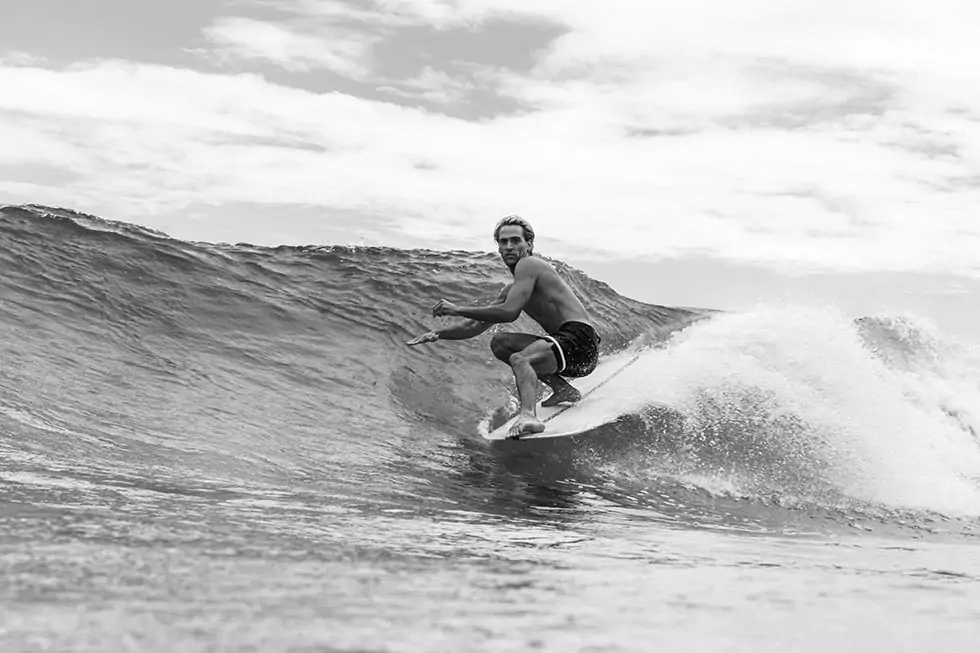
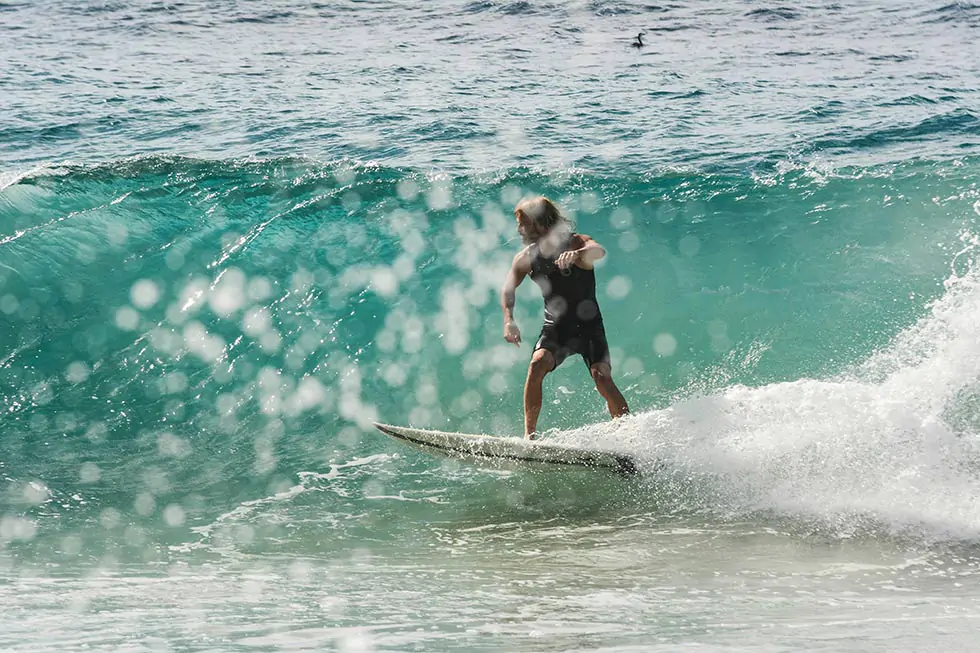
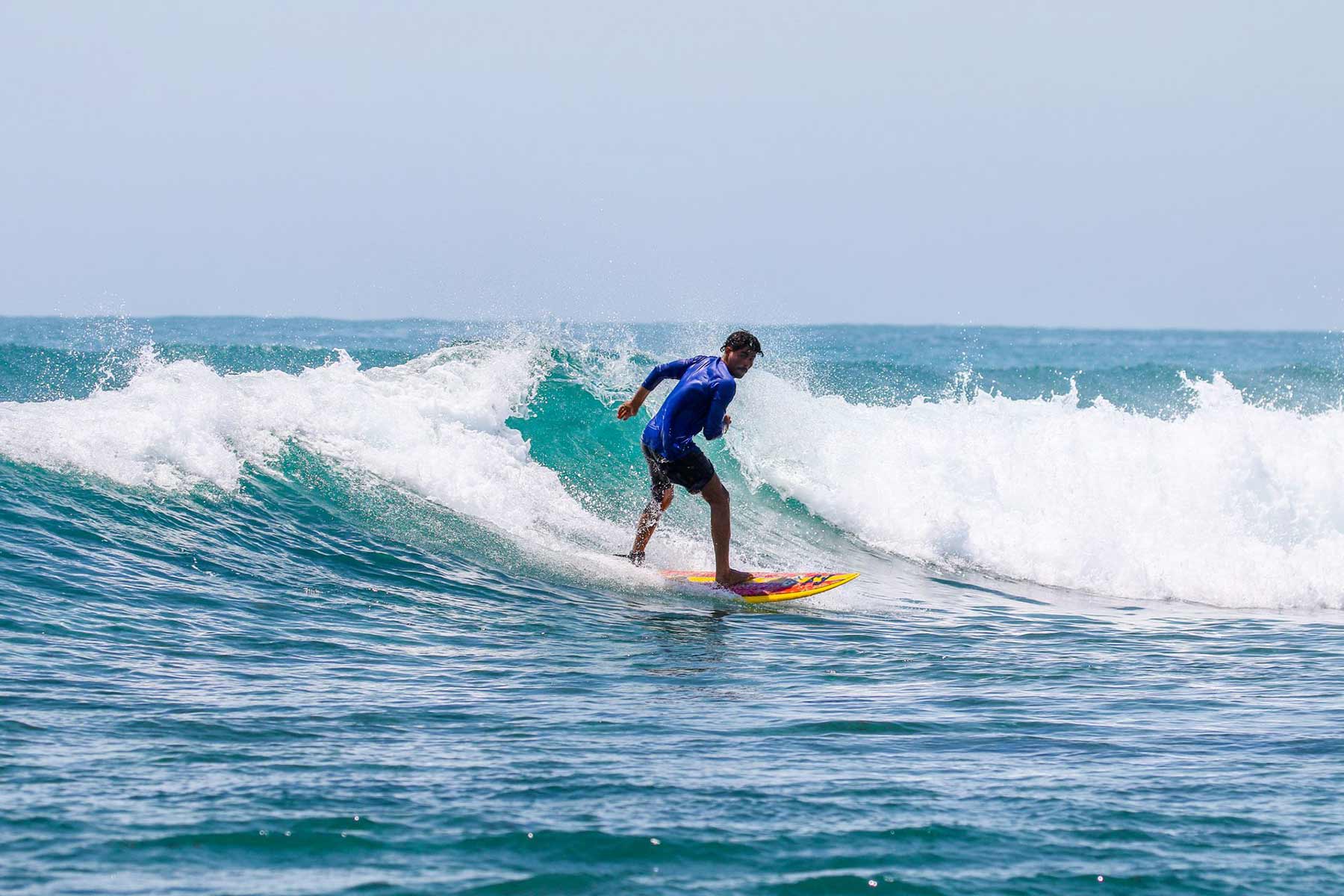
The exception is Playa Macao, twenty minutes north of the hotel zone. Macao is an open beach with a short stretch of sand that takes whatever north-east swell gets round the corner of the island. On a good winter morning it is a waist-to-chest-high beach break, crumbly and forgiving, with a surf school on the sand and a line of boards for rent. On most days in summer it is a foot or two of shorebreak.
A few resort beaches further south, Playa Blanca and the sand by Cap Cana, get a small wave on the same swells, but they are not places anyone travels to surf.
When Punta Cana gets surf
Roughly November to March, on the same Atlantic fronts that light up the north coast. The east tip catches the edge of those north swells, so Macao gets a fraction of what Encuentro gets on the same day. Summer is the flat season; the trade wind blows onshore and the Caribbean side is calm.
If you are in Punta Cana for a wedding or a family week in winter and want one morning on a board, Macao will give you that. Book a lesson for first light, before the wind. For anything more, read on.
Punta Cana versus the north coast
The Dominican Republic has two coasts that matter to a surfer, and they are not alike.
- Punta Cana (east): one beginner beach break that works a few months a year. Resorts, reef-sheltered lagoons, long flat spells.
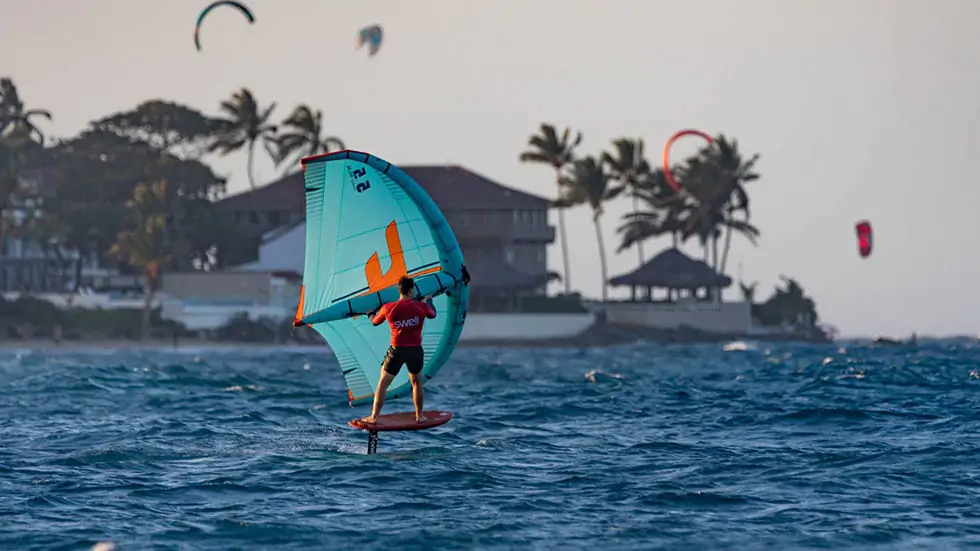
- Cabarete and the north coast: sixteen breaks along ninety kilometres of coast, from the big-wave right off Puerto Plata to the long rights of El Barco in the east. Playa Encuentro, ten minutes from Cabarete, breaks every morning of the year on the inside and turns on properly from November to March. Kitesurfing and wing foiling fill the afternoons.
The north coast is where the surf schools, surf camps and board shops are, and where surfers from Europe and North America have been coming since the 1990s. All sixteen spots are rated and mapped in the guide.
Getting from Punta Cana to Cabarete
Most international flights to the island land at Punta Cana, so many surfers start there whether they want to or not. The move north is simple.
By road. Punta Cana to Cabarete is about 350 kilometres and takes four to four and a half hours: the toll motorway west towards Santo Domingo, then the Autopista del Nordeste north through the hills to Nagua, and the coast road west through Río San Juan to Cabarete. A private transfer is the easiest option and can be arranged through most surf camps; a hire car makes sense if you plan to chase the eastern breaks later in the trip.
By air. If you can choose, fly into Puerto Plata (POP) instead. It is twenty minutes from Cabarete, with direct flights from several North American and European cities in winter. Santo Domingo (SDQ) is a three-hour drive and often cheaper.
The full transport picture, with airports, transfer times and the drive from each, is in Getting here.
If you only have a day
A Punta Cana day trip to the north coast is a long day: eight hours in a car for a morning in the water. It can be done, and some surf schools in Cabarete will organise it, but a better plan is to split the trip. Spend the resort days first, then move north for three or four nights, surf Encuentro every morning and let the afternoon wind do the rest. Cabarete town is compact, walkable and far more alive than the hotel zone, and the surf camps in town drive you to the wave before breakfast.
The short version
- Punta Cana surf is small and seasonal; Playa Macao is the only beach worth a board, November to March, early mornings.
- The real surfing in the Dominican Republic is on the north coast around Cabarete.
- From Punta Cana, Cabarete is a four-hour drive. Fly into Puerto Plata if you can.
- Three nights in Cabarete beats a day trip every time.